Anaesthesia & Critical Care

Safe. Monitored. Life-Saving Care When It Matters Most.

At Namokar Hospital, Indirapuram, our Anaesthesia & Critical Care department plays a vital role in ensuring patient safety during surgeries, emergency treatments, and intensive care management. Whether it is a planned operation or a life-threatening emergency, our trained anaesthetists and critical care specialists ensure that every patient receives safe monitoring, pain control, and life support when needed.

We serve patients from Indirapuram, Vaishali, Vasundhara, and nearby areas of Ghaziabad with 24×7 availability.

Why Choose Namokar Hospital for Anaesthesia & Critical Care in Indirapuram?

Experienced Anaesthetists

24×7 ICU & Emergency Suppor

Modern Monitoring Equipment

Safe Surgical Support

Personalized Patient Care

Quick Response 

Local Access for Residents

24×7 medical support

What is Anaesthesia?

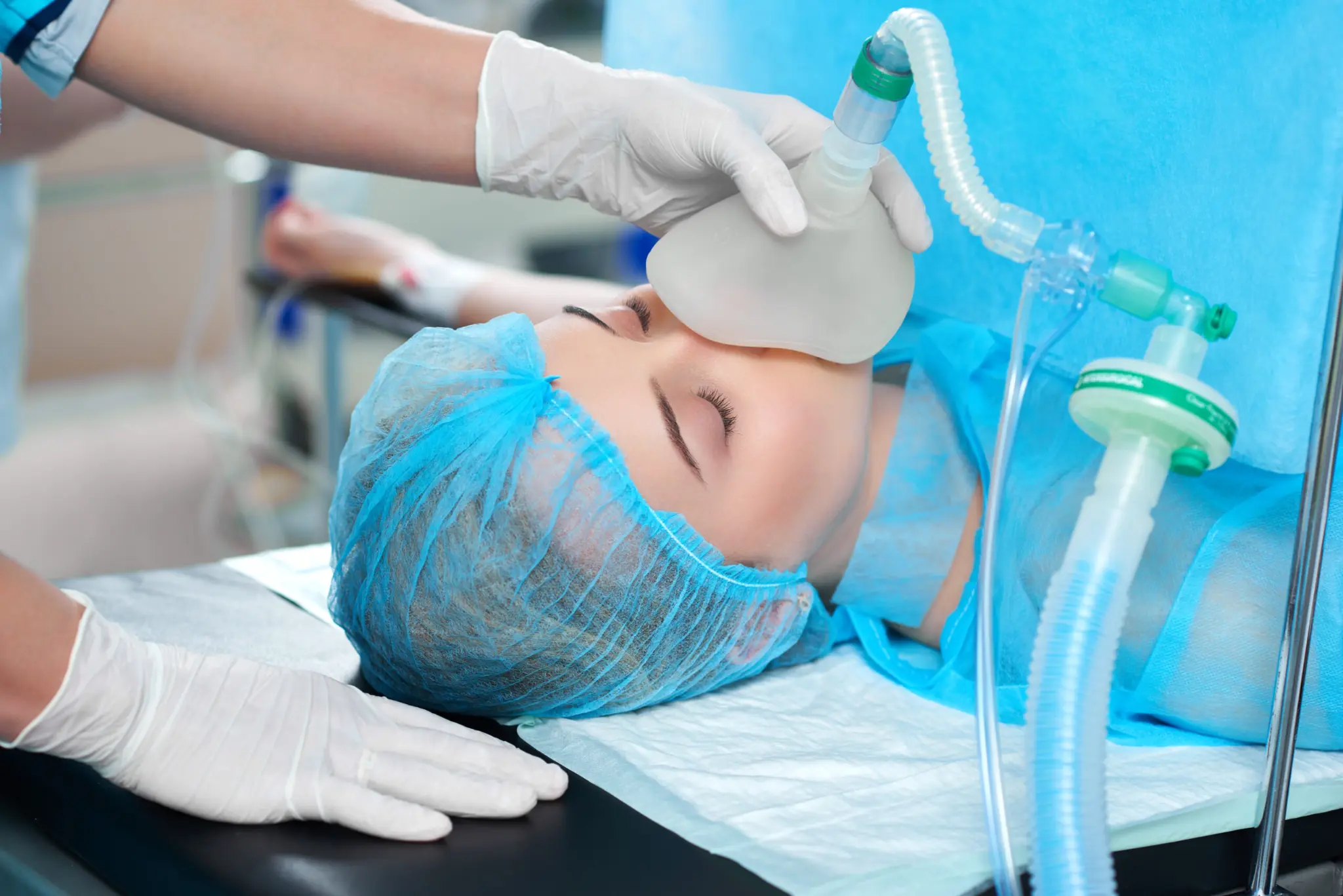
Anaesthesia is a medical treatment that prevents pain during surgery or medical procedures. It allows doctors to perform operations safely and comfortably.

There are different types of anaesthesia:

General Anaesthesia

  • Patient is completely unconscious
  • Used for major surgeries
  • Carefully monitored throughout the procedure

Regional Anaesthesia

  • Numbs a specific part of the body
  • Example: spinal anaesthesia for lower body surgery

Local Anaesthesia

  • Numbs a small area
  • Used for minor procedures

Our anaesthesia team carefully evaluates each patient before surgery to decide the safest and most suitable option.

Step-by-Step Laser Surgery Process

Consultation & Diagnosis

Procedure

Post-Procedure Care

What is Critical Care?

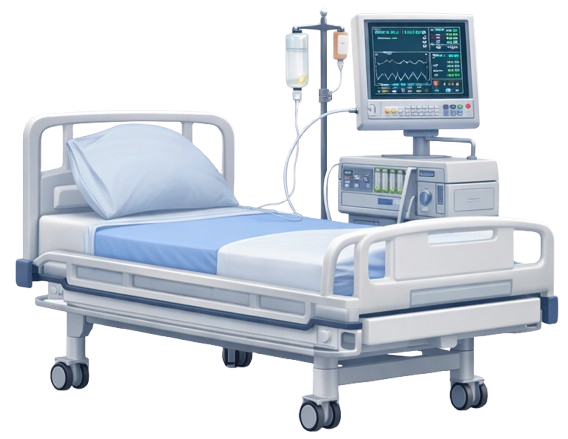
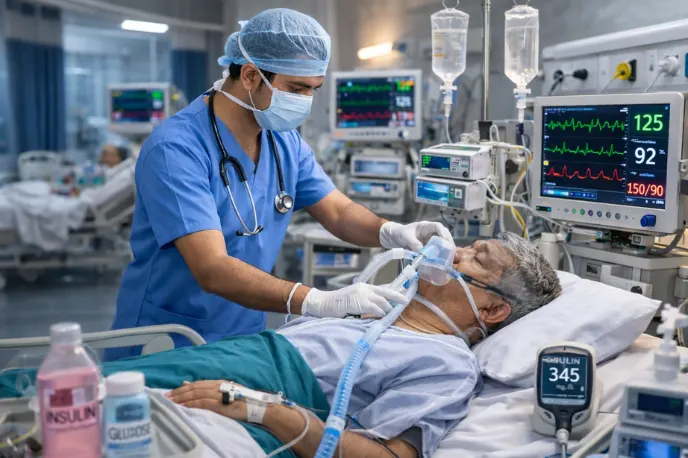
Critical Care is specialized medical care for patients with serious or life-threatening conditions.

It is provided in the Intensive Care Unit (ICU) and includes:

  • Continuous monitoring
  • Ventilator support
  • Oxygen therapy
  • Advanced cardiac monitoring
  • Emergency life-saving interventions

Patients who need critical care may have:

  • Severe infections
  • Breathing problems
  • Heart conditions
  • Major trauma
  • Post-surgery complications
  • Uncontrolled diabetes or high blood pressure
  • Sepsis or organ failure

Patient Safety is Our Priority

Every patient undergoing surgery or ICU care receives:

When Should You Seek Critical Care?

You should immediately visit the hospital if someone has:

Severe breathing difficulty

Chest pain

Sudden unconsciousness
High fever with confusion
Severe injury or bleeding
Sudden weakness or stroke symptoms
Early medical attention can save lives.

Pre-Anaesthesia Check-Up (PAC)

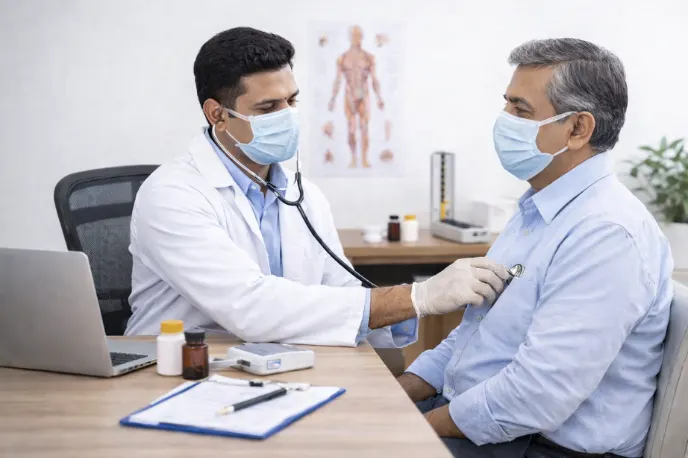
Before any surgery, we conduct a detailed pre-anaesthesia check-up which includes:

Pain Management
Services

Anaesthesia specialists also help in managing severe pain conditions such as:

Critical Care for Diabetic & High-Risk Patients

Patients with conditions like:

Our Critical Care Services Include

✔ 24×7 ICU Monitoring
Round-the-clock supervision by trained doctors and nurses.

Ventilator & Respiratory Support
Advanced ventilators and oxygen therapy for patients who cannot breathe properly.

Cardiac Monitoring
Continuous ECG and blood pressure monitoring.

Post-Surgical Intensive Care

Close monitoring after major surgeries such as:

  • Laparoscopic Surgery
  • General Surgery
  • Orthopaedic Surgery
  • Laser Surgery
  • Proctology Procedures

Emergency Stabilization

Immediate management of:

  • Road traffic accidents
  • Stroke
  • Cardiac emergencies
  • Severe infections
  • Shock

Cashless Insurance & Affordable Care

Advanced care should remain accessible.

Frequently Asked Questions

Is anaesthesia safe?
Yes. Modern anaesthesia is very safe when administered by trained specialists with proper monitoring.
Recovery depends on the type of anaesthesia and procedure. Most patients recover within hours for minor procedures.
Yes, with proper pre-surgery evaluation and ICU support, elderly patients can safely undergo procedures.
Mild side effects like nausea or drowsiness may occur temporarily.

Its effects usually wear off within a few hours after surgery.

Yes, fasting is required for a few hours before surgery as advised by your doctor.
You can usually start with light food once the effects wear off, as advised by your doctor.